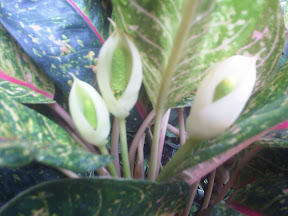
Aglaonema Before buying, it’s good we understand that the goods will be purchased. Because basically, Aglaonema have some advantages and special characteristics. Handle local and imported aglo also different. There are suggestions, not just see the leaves, but also the root of the condition.
Buy
plants idol is easy-easy to difficult, including the purchase Aglaonema. His Pamor Aglaonema a month later the ‘move up’. Aglaonema Before buying, we should understand that the goods will be purchased. Because basically, Aglaonema have some advantages and special characteristics, to a rare if not inadvertent result in a collection of others.
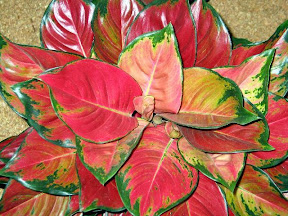
At this time, if specified there are three groups of Aglaonema obtained in a normal market, that is Aglaonema silangan non-local, local, and imported silangan. According to an Aglaonema
Indonesia, Gregori Garnadi Hambali, now found in Banjarbaru Kalimantan Selatan (South Kalimantan) has not been this long, actually have more non-local Aglaonema silangan from outside (usually from the United States and Belandan). Only ketetatnya bureaucracy and move sistematika hands, making it difficult to type this out.
Most important is to know the characteristics of the several classes of these Aglaonema. Useful addition for the maintenance and care, this step can minimize post-purchase disappointment plant (due to rapid death or disease often). Aglaonema silangan imports, according to Greg, this type of manifestation often with the fantastic.

That marked the occurrence of the color-contrast colors, like yellow and red colors to solid one. Since most of the culture produced by the network (the majority of Thailand’s products as the country’s largest importer Aglaonema Indonesia), generally this type of leaf has a thin seed cultivation rather than results. Keistimewaannya However, this type of leaf surface structure has a more smooth.
Some people thought, the leaves can be thin so thick when brought to Indonesia. The influence of season, is suspected melatar-belakangi this development leaves. In general, in terms of aesthetics Aglaonema import silangan far superior. Only because dibudidaya instantly and not through the method pemuliaan the long term, not susceptible of this type of rare disease. Not infrequently, this type also been outbreaks of a disease that is ready to spread to other Aglaonema collection.
“Be careful to give Aglaonema import. If in doubt, use an adequate quarantine system until it is sterile Aglaonema’s disease. Quarantine system manifold, can use the desin-sektan or spase apart the new Aglaonema come, “said Greg.
To ensure plant health, try to not only see the leaves of the interesting, but also the root and stem down. As more is found in root rot and stem down, the plant is not healthy.
Aglaonema Local Silangan
Aglaonema second type is local silangan. This type of rock is usually more resistant when compared with the type of import. Do not want to lose the type of import, the type of local silangan is very strong in terms of color composition. Gradient color and a new base, make motifnya interesting. Most simple example we can see from silangan fenomenal Aglaonema Pride of Sumatra (POS).
Leaves thick so that the next singularity, although the leaves are not the type of leaf structure sehalus Aglaonema selangan import. Some types are often vulnerable due to sickness virus. Preparation that is not perfect genes suspected to be the background this phenomenon. However, in general, rarely Aglaonema silangan local pain such as Aglaonema silangan import.
Although local berembel addition, do not underestimate in terms of price. Section, if viewed from perputarannya results silangan first type can be valued up to Rp 50 million. This often happens in the collection of Greg dipinang other collectors. Choosing this type of quality is basically the same as the import Aglaonema silangan. Leaf, root, stem and bottom of the shaft so that need not terlewatkan. Try to see the root of that has been stuck in the pot. The more rare and decayed plant is healthy omen.
Aglaonema Local
Aglaonema last type is local. Although the first Dilirik rare and only exists as indukan enabled, but the lover of this type is now gathering popularity. Even do not want to lose, Aglaonema owners who dominated most of the color green and white this is the performance of each register with a dentist Aglaonema contest was held.
Because if we discuss the color, type, less telak with this type of silangan local and imported. Generally, this type has advantages in the form of leaves. Large leaves and various forms of taper is a form which is often found on local Aglaonema. As they often have been found and familiar life in India, many of this type is found everywhere, and amounted to much, so that in the case of this type of price are the most inexpensive type rather than the previous two.
“On the market, local Aglaonema aged adults who have often sold a maximum of Rp 500 thousand (for plants that have not been winning the contest). If you have felt a degree, so the price rise twice about Rp 10 million per pot, “said Zainudin M, and Lovers Kolektor Aglaonema Local Banjarbaru in South Kalimantan.
See if the disease attacks from viruses and bacteria, most of this type of rock resistant. But generally, if a natural enemy to see, so often Aglaonema local fine cuisine insects and fungi, so if you decide to buy this type, try the leaves have not even used to have a few fungi and insects or insect eggs-eggs which is attached. [adi]
Local differentiate with Import
This step was taken to distinguish which type of local Aglaonema shipped from overseas with the process of network culture. Indeed, at this time to get local Aglaonema great appreciation, particularly from the work of Greg Hambali. However the case, the production in the country are still not able to meet the market demand is large.
For developers, the way a traditional culture, to get new seeds require a long time. Meanwhile, to do with mass culture propagation network is still little that can make it. While the culture so the only way the mass and breeding Unfortunately the local ornamental plant industry is less able to catch this opportunity. Finally, like Thailand did not want to be the main goal Aglaonema find the product generated by the nation’s children.
Aglaonema fortunate results of the culture network through imports – although of the same – but have different characters. To distinguish the local Aglaonema be naturally or through stek Aglaonema cangkok with the culture of the network, according to M Siregar – Penghobi Ornamental Plants in Banjarmasin South Kalimantan, it was easy. Reasonable, because the experienced penghobi not difficult, but another story for beginners.
“Most easily see the structure of the color red so typical local products,” Siregar demolished.
For natural products, the color red that can appear bright and firm, especially to the back of the leaf, leaf stalk, and leaf motif on the surface. This condition is different from the results of the culture that has a more pale color. Dull here still give the impression red, but not so bright.
Then the most easily seen is the size of the leaves smaller than the type of local. A comparison is difficult, because it must first see the local Aglaonema. But also can be seen from the old leaves on the bottom. When the older leaves is much smaller than the new leaves, it’s so typical of the culture of the network. But do not worry when you get a product culture, because when the new shoots grow, the quality Anakan akan Aglaonema with the same local. For, already through multiplication naturally. [wo2k]
Making Aglaonema Berharga Mahal
Benchmark price for some types of Aglaonema, of matters related to the maximum display. During the existence of this import Aglaonema can disejajarkan with local species. Only the variants for the type of import is more variety, so that the presence ornamental plants khasanah enrich the country.
“Basically, all the plants that have economic value. Only the low-to high-depends on the enchantment that is displayed, “Greg supplement.
Aglaonema species to control imports is still strong enough. Because the diversity of species that are displayed, so that consumers also have many alternatives to choose, such as price Aglaonema silangan from Thailand that has a legacy name market, the prices are high dipatok, namely Rp 500 thousand per plant, or even this price can be higher.
That depends on the looks, the more berkarakter where it will affect the selling value. This is related to the aesthetic value, trends, and scarcity. It seems to make the plants appear prime not so difficult that one thing done, which will display the maximum impact on the high economic value. Want to know tips to make pesonanya appear ciamik, Aglaonema for both types of local or imported.
Special Penghobi
There are several criteria to be expensive to make valuable plants with optimal viewing. Main problem is scarcity, uniqueness, terawatt, and trends – where penghobi here as the end user not only assess the plant’s price, but more charm to the entire plant.
1. Rare
Scarcity of factors can trigger the expensive plants. This scarcity can be caused from the difficulty dikembang-culture, still less to sell because the plant is not a trend or a lot, but it did not want to release. So can be categorized as rare, and rare in the market, because the hard-dikembang culture.
2. Unique
All plants have a unique and no difference between one another. Unique but are typically light and different from the original.
In the market, the technical term variegata and mutation.
Sometimes there is also a mention albino. Most of the plants produced from seed variegata. Mutation is a deviation occurs, because the intervention of the (virus or disease because of factors other congenital) or human intervention. Normal with known genetic engineering.
3. Optimal treatment
Terawat plant that will have both a good and healthy. Because terawat, the form of leaf, stem, flower and so more beautiful. Plants that are expensive if not well akan recede. For example, the Aglaonema leaves damaged, must not be included in the assessment. It was also associated with the simultaneity of the leaves to add value.
4. Reading Trends
Like fashion, plants have their own trends. While the trend down, the plant will automatically go down in value. Depreciation is not because the plant is not unique or not terawat, but because it is absolutely legal market.
5. Know the Law Market
Time or trends are indeed rare, then the stock is usually not comparable with the request. Appropriate legal market, the price Take. This occurred in the natural world ornamental plants, according to the rotating cycle.
For Merchants
Can not be denied, the traders in the hope that more profit oriented. However, it does not mean do not take into account the quality of goods. This is what most people want to do even if it is not easy to do so. Crops can be made so expensive if you want to do the following:
1. Caring for plants with good
This is absolute. Plants that terawat either kasat akan beautiful eyes. Even though just the usual crop sansiviera there in the street, if treated well will have a higher value. Care is to provide a good place (and the media pot), making a treatment plant if the leaves have a value in the leaves, giving the right fertilizer, replace the media when needed, and health continue to check periodically. In this case also the formation process can be done, so that the form of a more beautiful and compact.
2. Collection of unique and rare plants
Sometimes unique plant species and rare and not-expensive spot price when buying. Unique selection of plants can be done around the seedling plants in the garden tub. Unique seeds can usually be detected starting at the age of a young seedling. For rare plants can hunt directly to the area concerned. Rare plants are usually hard to find in nurseri usual. If there is desperation and a little capital, can only directly to the search nurseri abroad. Can purchase via the Internet or directly to the location.
3. Pintar trends predicted plant
In this case, the ability to rely more on insting, namely with the increase of the reference plant species, both from the media or form a community that many in each city. Only note that the trends of the plant usually revolve. So if the trend behind – no problem – yet later picked up the plants we can ride.